How Much Do I Actually Need for a Down Payment?
The amount you need for a down payment depends on your loan type, financial situation, and the home you’re buying. While many people believe they need 20% down, most buyers qualify with much less, including some programs that allow 0% to 5% down. The right amount is the amount that fits your budget while helping you reach your homeownership goals.
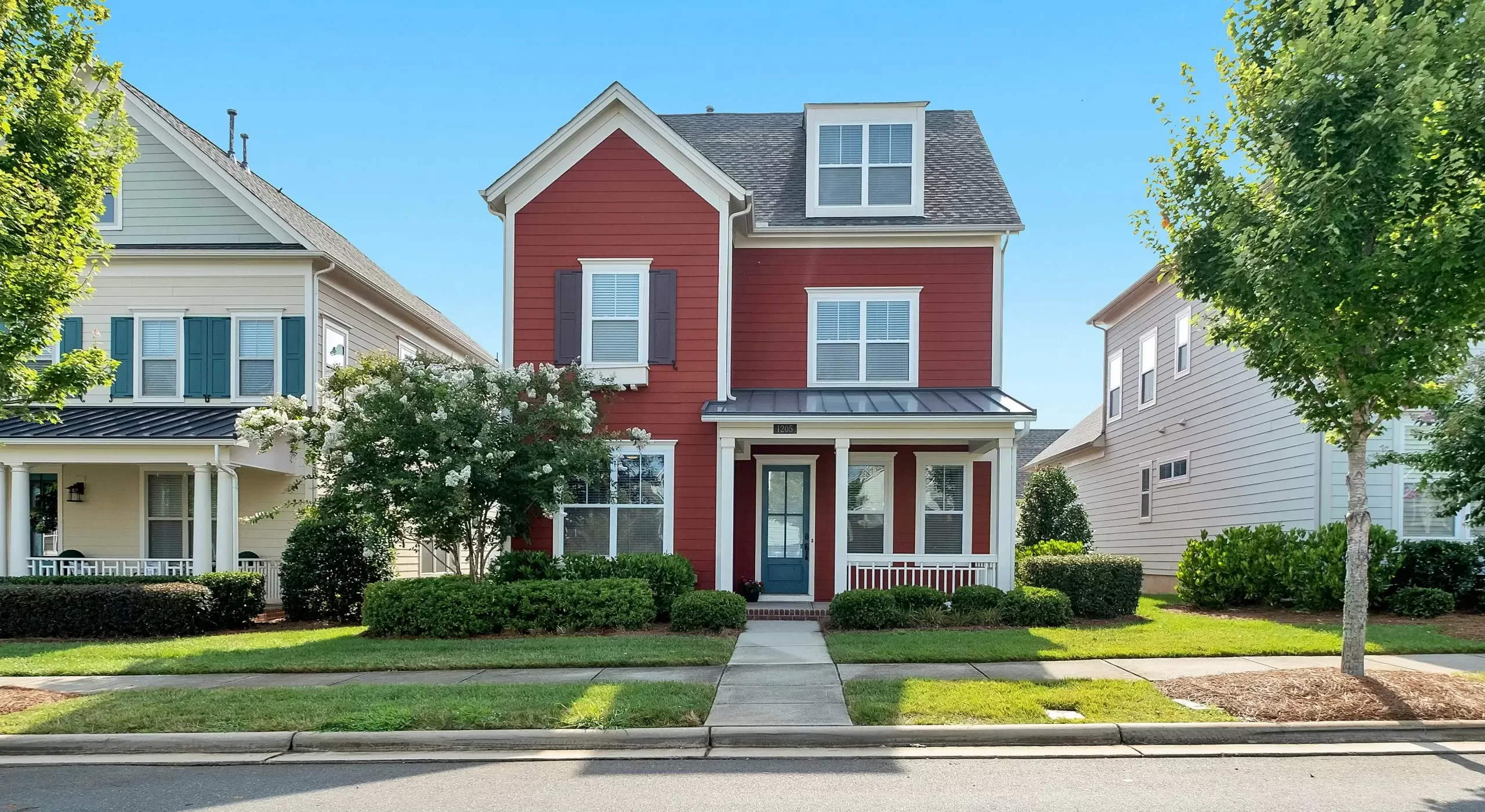
Buying a home is one of the biggest financial decisions most people make. The good news: you may need less than you think. Below, we break down what goes into a down payment, what options are available, and how to decide what’s right for you.
What is a Down Payment?
A down payment is simply the portion of the home price you pay upfront. It reduces the amount you borrow and can influence your interest rate, monthly payment, and whether you need mortgage insurance. Additionally, a down payment is another way for the borrower to show the bank their credit worthiness when purchasing a home.
Why Do Borrowers Think They Need 20%?
There’s a long standing belief that you must put 20% down to buy a home. While it’s true that 20% eliminates private mortgage insurance (PMI), it’s not a requirement for most buyers.
In fact, waiting to save 20% can delay homeownership by years. Many borrowers could qualify with far less, sometimes as little as 0–5% depending on the loan program.
All this being said, let’s reiterate that you don’t need a large down payment to get started!
Down Payment Requirements by Loan Type
Different loan programs have different minimum down payments.
- First Time Homebuyers: Some programs allow 0%–3% down, plus closing costs. These costs include the appraisal, title work, lender fees, and county fees.
- Conventional Loan: If you’re not a first time buyer, you may qualify with as little as 5% down for a primary residence.
- Second Homes & Investment Properties: Down payments are higher, often 10–20% or more, as it’s riskier for a bank to lend on a second home, investment property, or vacant land as opposed to a primary residence.
- VA & USDA Loans: These programs may offer 0% down for eligible borrowers, depending on income and property location.
How Does Your Down Payment Affect Your Loan?
Your down payment influences several key parts of your mortgage:
- Loan to Value: LTV = Loan Amount ÷ Property Value. This is the percentage of the home’s value you’re borrowing. Lower LTV means lower risk which can ultimately mean potentially better terms.
- Private Mortgage Insurance (PMI): If you put less than 20% down on a conventional loan, you’ll likely pay PMI. This protects the lender, not the borrower, and remains in place until your loan reaches 80% LTV. PMI premiums vary by credit score and down payment.
- Interest Rate: A larger down payment may help you qualify for a lower rate.
When Does a Larger Down Payment Makes Sense?
Putting more down can save you money over the life of the loan.
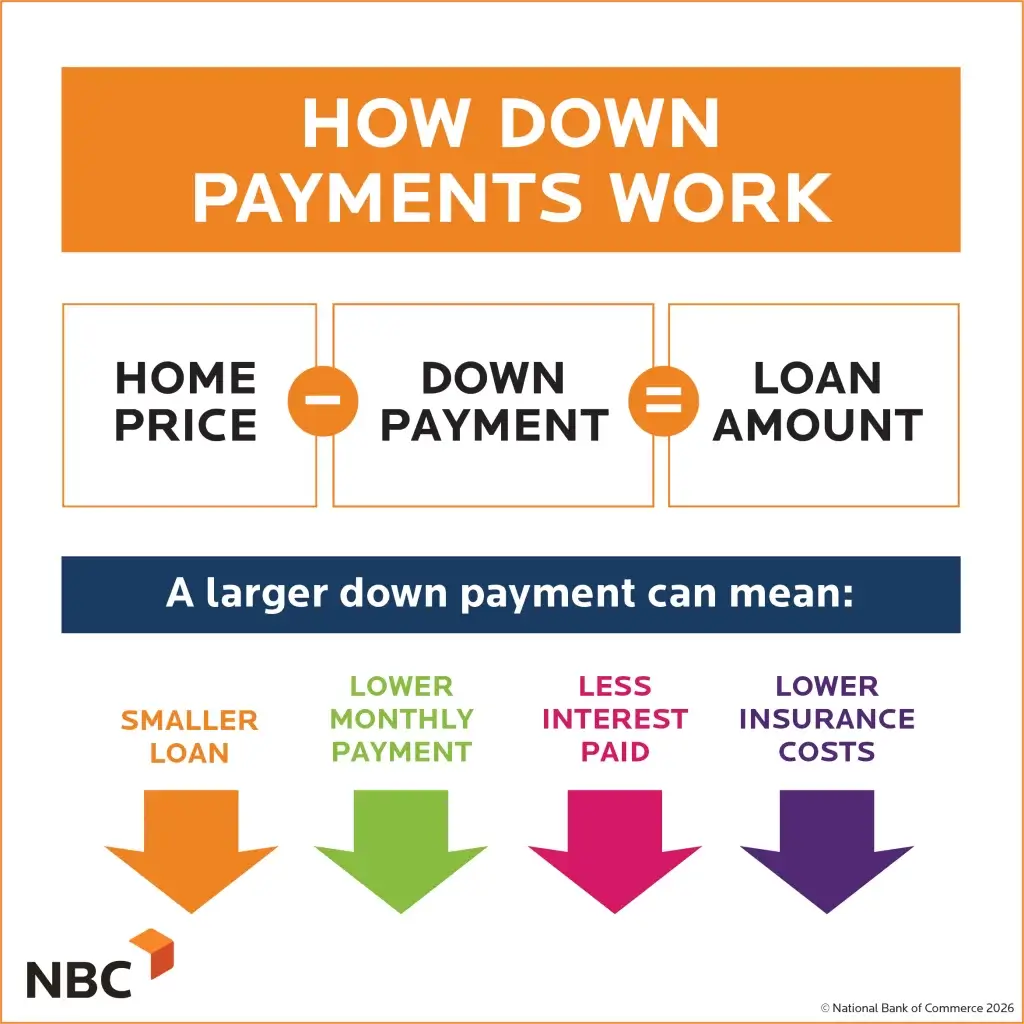
Home price – down payment = loan amount.
A larger down payment means:
- A smaller loan
- A lower monthly payment
- Less interest paid over time
- Potentially lower mortgage insurance costs
Example:
- 3% down → Loan amount $194,000 → Monthly P&I $1,147.58 → Total interest $219,131.88
- Here’s how we arrive at these numbers:
- Loan amount: The home price is $200,000. With 3% down, the down payment is $6,000 (3% of $200,000), so the loan amount is $200,000 – $6,000 = $194,000.
- Monthly Principal & Interest (P&I): Calculated using the loan amount, interest rate (5.875%), and loan term (usually 30 years). The monthly payment of $1,147.58 covers both principal and interest.
- Total interest: Over the life of the loan, the total interest paid sums to $219,131.88, reflecting the cost of borrowing $194,000 at 5.875% over 30 years.
- Here’s how we arrive at these numbers:
- 10% down → Loan amount $180,000 → Monthly P&I $1,064.77 → Total interest $203,315.34
- Here’s how we arrive at these numbers:
- Loan amount: The down payment is $20,000 (10% of $200,000), so the loan amount is $200,000 – $20,000 = $180,000.
- Monthly Principal & Interest (P&I): With the smaller loan amount, the monthly payment decreases to $1,064.77, calculated with the same interest rate and loan term.
- Total interest: Total interest paid over 30 years is $203,315.34, which is lower due to the smaller loan amount.
- Here’s how we arrive at these numbers:
This comparison shows how a larger down payment reduces your loan amount, monthly payments, and total interest paid over time, saving you money in the long run.
That’s nearly $16,000 in interest savings over the life of the loan!
Tips for Saving for a Down Payment
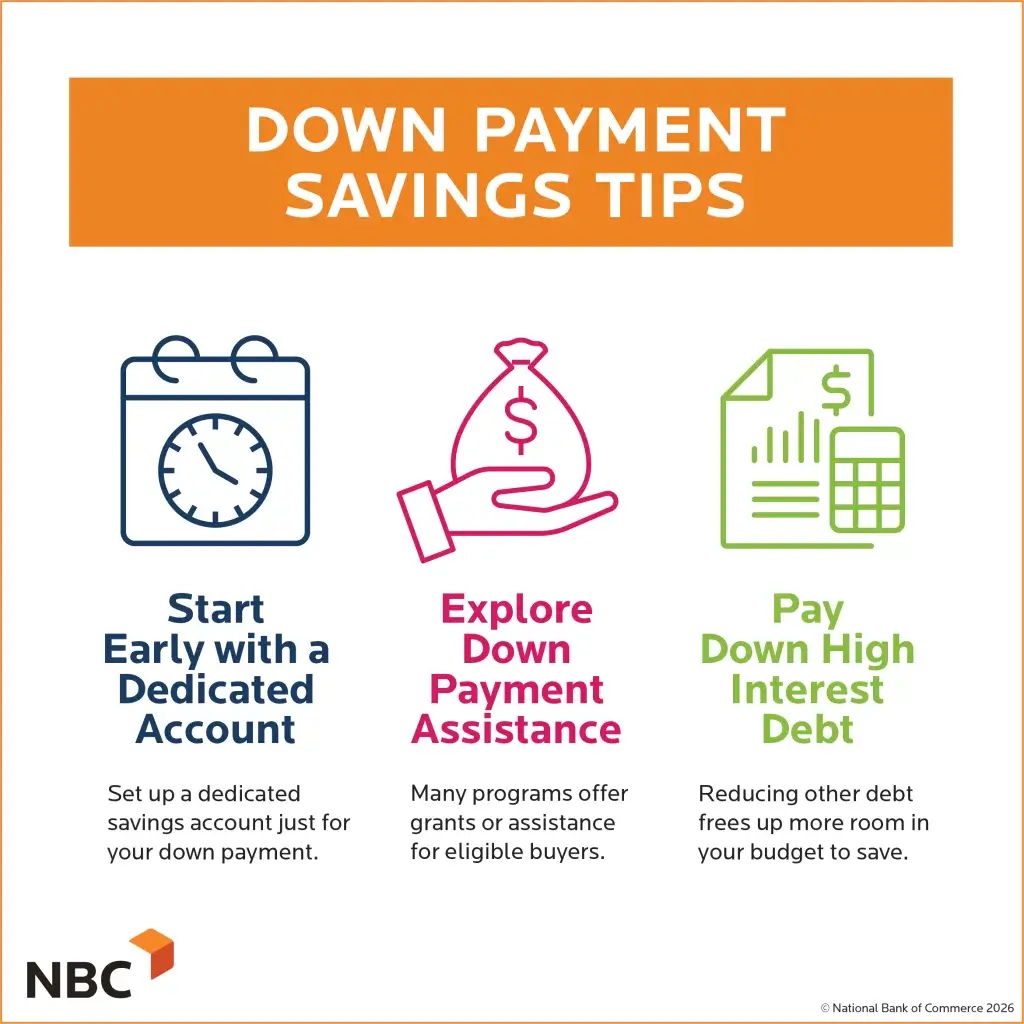
Even small, consistent steps can make a big difference.
- Pay Down High‑Interest Debt: Reducing these balances frees up more room in your budget to save.
- Start Early: Set up a dedicated savings account and make it harder to access. You can even avoid getting an ATM card tied to the account to reduce temptation to use the funds!
- Explore Down Payment Assistance: Many programs offer grants or assistance for eligible buyers.
WATCH OUR VIDEO
Also Available On


FAQs
No! Many buyers qualify with far less. You may need PMI, but it allows you to purchase sooner.
Yes. Certain programs offer 0% down for first‑time buyers who meet income or eligibility requirements.
Generally, the larger your down payment, the lower your PMI and potentially your interest rate.
Conclusion
You don’t need a huge down payment to become a homeowner. Whether you’re putting 3% down or 20%, the right amount depends on your goals, your budget, and the type of property you’re buying. A lender can help you explore your options and find the best fit for your situation. Contact a mortgage banker today to get started.